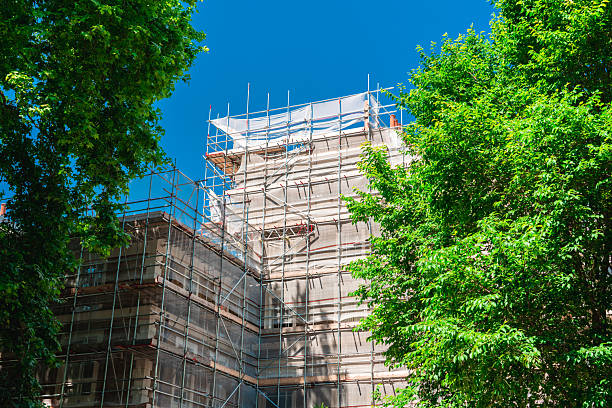
Nobody is ever prepared for property damage. Whether it is a burst pipe that soaks three rooms overnight, a kitchen fire that spreads to the ceiling and walls, a tree through the roof during a storm, or the slow discovery of moisture damage that has been happening inside a wall for months — the experience of finding your home damaged is genuinely disorienting. Most homeowners have never dealt with anything like it and have no framework for what comes next.
That is exactly when professional property restoration services matter most. Not just for the physical work of repairing the damage, but for the clarity a good restoration contractor provides: what the damage actually is, what needs to happen to fix it, how long it will take, and how to navigate the insurance process. Having experienced people in your corner during a stressful situation changes the entire experience.
Water Damage: The Most Common and Most Misunderstood
Water damage is the most frequent cause of residential property restoration calls, and it is also the type of damage most prone to being underestimated. What looks like a localized wet spot can involve moisture that has traveled significantly through building materials — drywall, insulation, framing — creating conditions for mold growth that will not show up visibly for weeks.
Proper water damage restoration involves moisture mapping to understand the actual extent of the saturation, thorough drying using professional equipment before any reconstruction begins, and in cases where materials cannot be adequately dried, removal and replacement of affected materials. Doing only the visible repair without addressing hidden moisture is a common mistake that leads to mold problems and a second, more expensive restoration project down the road.
Fire and Smoke Damage Restoration
Fire damage restoration is particularly complex because the damage is rarely limited to what burned. Smoke travels through a home’s ventilation system, and smoke residue and odor can affect rooms that were nowhere near the fire itself. Soot, which is acidic, causes ongoing damage to surfaces the longer it sits. Effective fire restoration addresses the burned structure, the smoke-affected areas, and the odor remediation needed to make the home livable again.
Structural assessment after a fire is also critical. Heat compromises the integrity of building materials in ways that are not always visible — framing members can be weakened without being charred. A restoration contractor with proper expertise evaluates structural integrity before reconstruction begins.
The Insurance Navigation That Makes a Real Difference
Most residential property restoration work is covered by homeowner’s insurance, but the claims process can be complicated and slow. A restoration contractor experienced in working with insurance adjusters can document the damage in the way that claims processes require, provide accurate scopes of work that justify the restoration cost, and advocate for the homeowner when there are disagreements about what is covered. Cruz Home Construction’s property restoration services include that insurance navigation support, because restoring a damaged home is hard enough without also fighting for fair treatment from an insurance company alone.