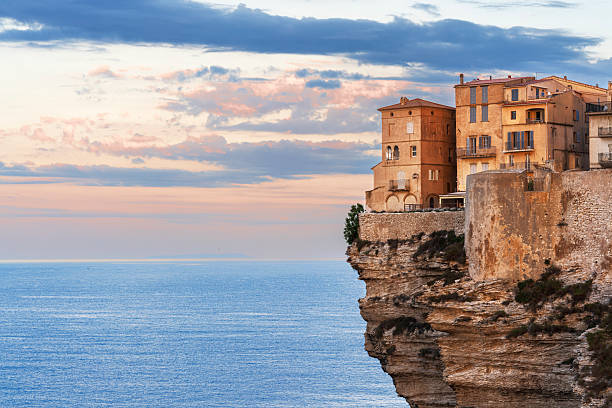
City Life vs. Nature Life – Why Not Both?
so like, people have been debating city life vs country life forever but now a lot of folks are going “why pick one?” hybrid living is basically trying to get the best of both worlds. close enough to the city for work, cafes, and nightlife but also near forests, rivers, or parks so you can breathe and not feel like your brain is slowly melting in traffic lol
i know a couple who moved to a small town 30 mins from a big city and they brag online about “city perks, nature vibes” like its a tagline or a lifestyle brand now. people post pics of coffee shops on weekdays and mountain hikes on weekends, it’s kind of aspirational but also very relatable
Remote Work and Flexibility Fuel the Trend
one huge reason hybrid living is taking off is remote work. since everyone can work from home—or even a coffee shop 40 mins from downtown—people don’t need to live in the city anymore to have a career. social media is full of posts like “my commute is now a 5-minute walk to my backyard office with a view of trees” lol i envy them
this also means people are redesigning homes to suit both needs—workspace with fast wifi and urban convenience, plus outdoor decks, garden corners, or small trails nearby. hybrid living isn’t just about location, it’s also about how your home adapts to work and play
Health, Mental Clarity, and the Nature Effect
living near nature isn’t just pretty it’s good for your brain too. studies show being near green spaces reduces stress, improves focus, and even helps sleep. combine that with city access—gyms, cafes, friends—and you kinda get the ultimate lifestyle balance. people online joke about “forest meditation Monday, rooftop bar Friday” which is funny but kind of accurate
i tried working in a city apartment with zero greenery and honestly my brain felt fried after a week, then spent a weekend at a lake cabin and suddenly ideas flowed like magic. hybrid living literally makes your life feel less…plastic
Tech-Enabled Balance
apps and tech make hybrid living possible too. mapping apps show nearby nature escapes, real estate platforms highlight homes with easy city access but lots of greenery, even smart home systems let you bring nature inside with lighting and air quality monitoring. social media posts love these “smart hybrid homes” with outdoor lounges, city views, and indoor plants—like nature and tech finally shook hands
some influencers literally post “my week in hybrid living” with a mix of brunches downtown and hikes in the morning, it’s aesthetic but also motivating. people aspire to it because it feels healthy and flexible, not boring
Challenges and Reality Checks
of course its not perfect. commuting still exists sometimes, property prices near good hybrid spots are high, and balancing both worlds takes planning. some people online joke “i wanted trees AND nightlife but ended up with traffic jams and squirrels” lol relatable. weather can also mess with the vibe—rainy day hikes aren’t as glamorous as instagram makes it look
additionally, remote work isn’t always consistent so hybrid living only works if your job allows flexibility, otherwise you’re stuck somewhere inconvenient. still, people find workarounds like co-living spaces near nature or hybrid offices closer to home
Community, Lifestyle, and Social Benefits
one underrated part of hybrid living is the sense of community. smaller towns or suburbs near cities often have tight-knit networks but you’re still close enough to meet friends or go to events downtown. it blends social life with calm, which is tricky to achieve in purely urban or purely rural setups. online forums call it “the best of both social worlds” lol and i kinda agree
kids also benefit—hybrid neighborhoods often have green spaces, playgrounds, trails, but still schools, libraries, and urban amenities nearby. it’s like giving your family options without making sacrifices
Looking Ahead – The Future of Living
i feel like hybrid living is going to keep growing. as more people work remotely and value mental health, access to nature, and city convenience, urban planning and real estate will adapt. we might see more “green corridors” connecting suburbs to cities, community gardens integrated into residential buildings, and co-living spaces designed for both work and outdoor life
so yeah hybrid living is messy, aspirational, sometimes expensive, but also insanely satisfying. city energy plus nature calm creates a lifestyle that feels flexible, healthy, and modern. if you haven’t thought about it maybe start small—weekend trips near nature while keeping city access—and see how much better life feels, i swear its addictive