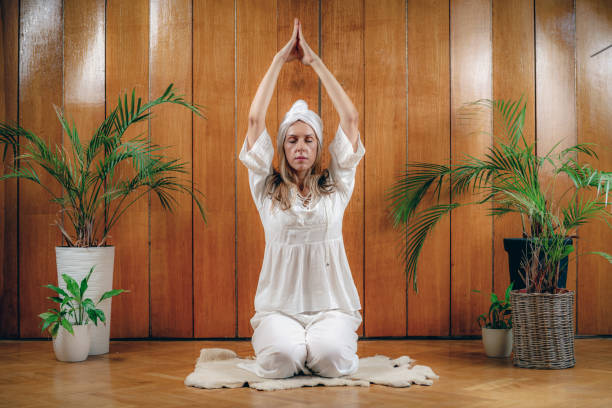
Why people start looking for deeper yoga learning
Usually it begins pretty casually. Someone attends a few yoga classes, maybe watches some videos online, and slowly the curiosity grows. At first yoga feels like just stretching and breathing, but then people notice there’s something deeper happening — more focus, a calmer mind, maybe even better sleep. That curiosity often pushes people to explore programs like Usually it begins pretty casually. Someone attends a few yoga classes, maybe watches some videos online, and slowly the curiosity grows. because they want to understand the practice properly rather than just following random routines from the internet.
Kundalini yoga is a little different from regular yoga classes
A lot of people assume all yoga styles are basically the same. Stretch, hold a pose, breathe, done. But Kundalini yoga actually blends several elements together — physical postures, breathing techniques, meditation, and mantra chanting. It’s designed not only for flexibility but also for mental clarity and energy balance.
Some students say the experience feels more intense than regular yoga because the practice focuses strongly on awareness and inner energy. It’s not just about touching your toes.
What students usually learn during training
Teacher training programs typically go far beyond just learning poses. Students often study breathing techniques, meditation methods, yogic philosophy, and teaching principles. There’s also discussion about anatomy and how different practices affect the body and mind.
For many participants this part is eye-opening. Yoga suddenly feels less like a fitness routine and more like a complete system for physical and mental wellbeing.
The interesting part — understanding energy and awareness
Kundalini yoga especially focuses on energy flow within the body. Traditional teachings describe this energy moving through different centers sometimes called chakras. During training, students learn practices meant to activate awareness of these energy pathways.
Now, some people approach this concept very spiritually, while others see it as a helpful metaphor for emotional and mental balance. Either way, the practices encourage mindfulness and deeper self-observation.
Learning to teach others with confidence
One of the biggest goals of a teacher training program is helping students guide others safely. Teaching yoga isn’t only about demonstrating poses. It requires understanding how to explain techniques clearly, how to create balanced classes, and how to support students with different experience levels.
Training often includes practice teaching sessions where students guide small groups and receive feedback. At first this can feel awkward — almost like public speaking — but gradually confidence builds.
Discipline becomes part of the experience
Something many students notice during intensive training is how much discipline the practice requires. Daily yoga, meditation sessions, and study discussions can feel demanding, especially for beginners.
But that consistency often becomes one of the most valuable aspects of the program. Practicing regularly helps the body and mind adapt to the rhythm of yoga rather than treating it as an occasional activity.
Personal transformation happens slowly
People sometimes expect huge life changes during yoga training. In reality the changes are usually more subtle. Students might notice improved concentration, better emotional balance, or simply feeling calmer during stressful moments.
These shifts tend to happen gradually. The real value of the training often comes from the habits students develop rather than dramatic instant transformation.
The community aspect of yoga training
Another underrated part of teacher training is the sense of community. Spending many hours practicing, learning, and discussing ideas with other students creates strong connections.
Everyone arrives with different motivations — some want to teach professionally, others simply want personal growth — but the shared experience of training often builds supportive friendships.
Why the 200-hour format is common in yoga training
Many yoga schools use the 200-hour structure because it offers enough time to cover essential topics without becoming overwhelming. It provides a foundation in practice, philosophy, and teaching skills while still being manageable for most students.
For those who want to deepen their studies later, advanced programs often build on this foundation.
Is this kind of training only for future teachers?
Interestingly, many people who join teacher training programs never actually plan to teach classes. They participate because they want a deeper understanding of yoga and a stronger personal practice.
The teaching skills simply become an additional benefit. Some graduates eventually guide small community classes or meditation groups, while others keep the knowledge purely for their own growth.
The real reason people choose yoga teacher training
At the end of the day, yoga teacher training is less about certification and more about exploration. It allows students to step away from the rush of daily life and spend time understanding their body, mind, and habits more clearly.