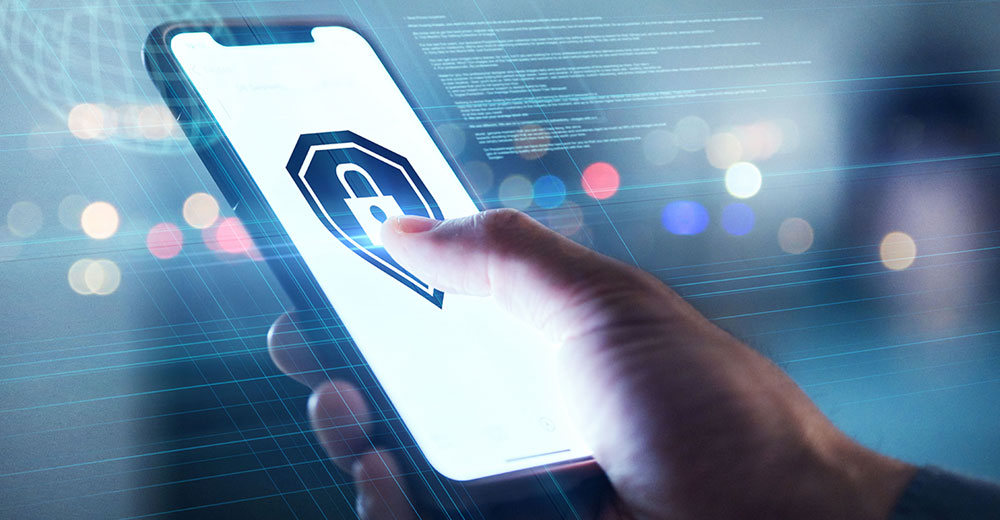
Mobile applications have become an indispensable part of both personal and business life. From online banking and e-commerce to healthcare management and entertainment, apps are central to how we live and work. With this ubiquity comes risk: mobile apps are increasingly targeted by cybercriminals, making app security a top priority for developers, organizations, and users alike. Ensuring robust protection is not just about preventing breaches; it’s about building trust, maintaining user confidence, and safeguarding valuable data.
The Growing Importance of Mobile App Security
The rapid adoption of smartphones and tablets has made apps prime targets for cyberattacks. Modern users store personal information, payment credentials, health records, and business data on their devices. Attackers exploit vulnerabilities in mobile apps to access this sensitive information, disrupt services, or even commit fraud. Businesses that fail to implement strong mobile security measures risk financial losses, reputational damage, and legal consequences under data protection regulations.
Mobile app security is also crucial for compliance with standards such as GDPR, HIPAA, and PCI DSS. Organizations must ensure that apps handling sensitive data meet stringent requirements for encryption, access control, and secure communication. This not only protects end users but also ensures businesses avoid regulatory penalties and maintain market credibility.
Common Threats to Mobile Applications
Understanding the threats targeting mobile apps is essential to building a strong defense strategy. The following are among the most significant challenges in the current security landscape.
1. Malware and Spyware
Malware and spyware are malicious programs designed to infiltrate mobile apps, collect sensitive information, or disrupt normal operations. They often enter through infected app downloads, third-party libraries, or unsecured app updates. Once inside, malware can monitor user activity, record keystrokes, or transmit confidential data to cybercriminals. Enterprises with apps that process financial or personal information are particularly vulnerable to these attacks.
2. Data Leakage
Data leakage occurs when apps inadvertently expose sensitive information. Weak encryption, insecure storage locations, and poor session management are common culprits. Data leakage can result in theft of personal identities, intellectual property, or corporate secrets. For example, unencrypted credentials stored locally on devices can be easily extracted if the app is compromised. Protecting user data through secure coding practices and encryption is essential to prevent these risks.
3. Reverse Engineering
Attackers often reverse engineer mobile apps to understand their internal structure and discover vulnerabilities. By analyzing the app’s code, hackers can bypass licensing restrictions, manipulate features, or steal proprietary algorithms. Reverse engineering poses a threat to both free and paid applications, making it critical for developers to adopt techniques that protect the integrity of their apps.
4. Insecure Communication
Mobile apps frequently communicate with servers, APIs, and other devices. Insecure transmission of data can lead to interception, eavesdropping, or injection of malicious commands. Ensuring that all communication channels are encrypted and authenticated is a fundamental aspect of maintaining strong mobile application protection. Developers must also monitor API endpoints to prevent unauthorized access and misuse of data.
5. Jailbreaking and Rooting Exploits
Jailbroken or rooted devices bypass built-in operating system security mechanisms, exposing mobile apps to tampering. Apps running on these devices are more vulnerable to malware, unauthorized modifications, and data theft. Enterprises must consider device compliance as part of their security strategy, blocking access to sensitive apps from non-compliant devices or applying additional protective measures.
Effective Solutions for Mobile Application Protection
To address these threats, organizations should adopt a multi-layered approach combining technological, procedural, and operational controls.
1. Encryption
Encryption converts sensitive data into unreadable formats that can only be accessed with authorized keys. Implementing robust encryption for data at rest and in transit ensures that intercepted information remains secure. Advanced cryptographic standards protect user credentials, payment information, and confidential business data from unauthorized access.
2. Secure App Wrapping
Secure app wrapping adds a protective layer around applications without altering core functionalities. It enforces security policies, including authentication, encryption, and secure communication. App wrapping allows businesses to rapidly deploy secure apps while maintaining functionality and usability, reducing the risk of data exposure.
3. Code Obfuscation
Obfuscation transforms an app’s code into a complex, unreadable form, preventing attackers from easily understanding or modifying it. This technique helps protect intellectual property, reduces the risk of reverse engineering, and ensures that critical logic and algorithms remain secure. Code obfuscation is a vital component of any comprehensive mobile application protection strategy.
4. Regular Security Updates
Regular updates address newly discovered vulnerabilities, patch security flaws, and maintain compatibility with the latest operating systems. Timely updates prevent attackers from exploiting outdated software and ensure that apps comply with evolving security standards. Developers should prioritize updates and communicate them effectively to users.
5. Threat Detection and Monitoring
Continuous monitoring allows developers to detect suspicious behavior, unauthorized access attempts, and other security anomalies in real-time. Automated alert systems enable quick response to potential threats, minimizing damage and maintaining the integrity of the app. Threat monitoring should include analytics for unusual activity, abnormal network traffic, and attempted breaches.
6. Multi-Factor Authentication
Multi-factor authentication adds additional verification steps to user logins, enhancing account security. Even if login credentials are compromised, attackers cannot gain access without passing additional verification layers. Multi-factor authentication is especially critical for apps that handle financial, healthcare, or sensitive corporate data.
Conclusion
Mobile applications are essential tools in our daily lives and business operations. However, they also represent a growing target for cyber threats. Implementing strong app security measures is critical for protecting sensitive data, maintaining user trust, and ensuring regulatory compliance. By employing strategies such as encryption, secure app wrapping, code obfuscation, and continuous monitoring, organizations can defend against cyberattacks while enabling seamless and secure mobile experiences. Security is not just a protective measure; it is a foundation for trust, growth, and innovation in the mobile-first world.
If you are looking for a reliable mobile application protection solution, Doverunner provides comprehensive app and content protection against hacking, fraud, and piracy. Their services include secure app wrapping, multi-DRM content protection, encryption, and real-time threat monitoring. With seamless integration and enterprise-grade security, DoveRunner helps businesses deploy apps confidently, safeguard sensitive information, and maintain user trust, allowing organizations to focus on growth while security is expertly managed.